 Save to Pinterest
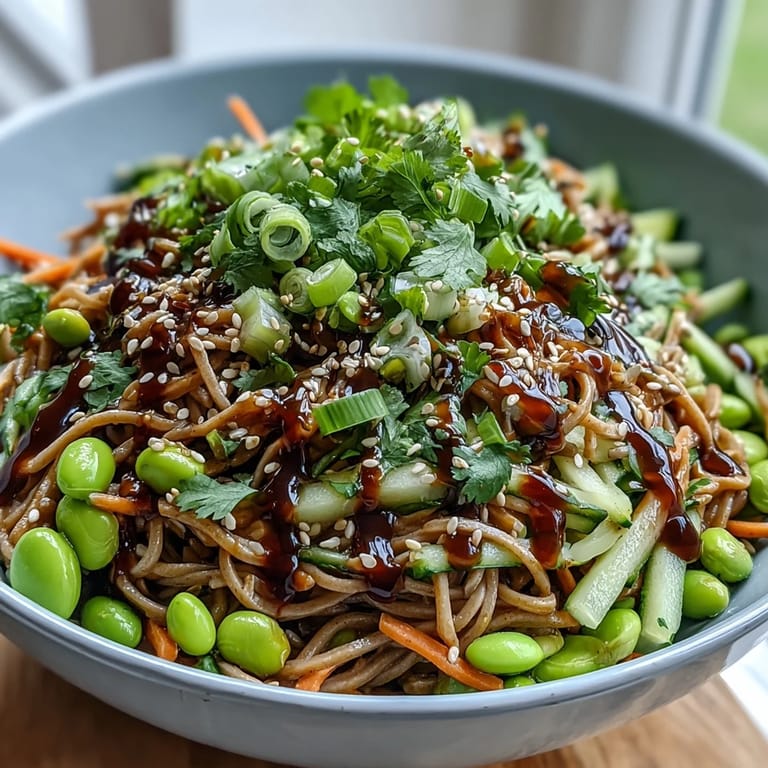
 My neighbor brought over a soba noodle bowl one sweltering afternoon, and I remember being struck by how something so simple—just noodles and vegetables—could taste like a complete meal. The buckwheat noodles had this earthy chew to them, and the sesame dressing was tangy and rich all at once. I spent the next week figuring out her technique, testing ratios until I found that perfect balance between savory and bright. Now when the weather turns warm, this is what I reach for without thinking.
I made this for my sister's book club potluck, unsure if vegetarian noodles would compete with the casseroles and roasted meats everyone else brought. When the bowl came home empty except for a few sesame seeds stuck to the sides, I knew I'd found something special. She still texts me asking for the dressing recipe, and I never tell her it's literally just whisking together seven ingredients.
Ingredients
- Soba noodles (250 g): Buckwheat noodles have a nutty flavor and slightly grainy texture that sets them apart from wheat pasta—they're worth seeking out at the Asian market rather than settling for a blend.
- Edamame (1 cup shelled): These soybeans add protein and a pop of color; frozen ones work perfectly fine and honestly are less work than shelling fresh pods.
- Cucumber (1 medium, julienned): The watery crunch keeps everything feeling fresh and prevents the bowl from becoming one dense mass of noodles.
- Carrots (2 medium, julienned): Peeling and cutting them thin is worth the effort because they actually soften slightly against the warm noodles without getting mushy.
- Scallions (2, thinly sliced): A sharp onion bite that you can't get from anything else—add them at the end so they stay crisp.
- Toasted sesame seeds (2 tbsp): Buy them already toasted; toasting your own is nice but these are fragile and burn in a heartbeat.
- Fresh cilantro or mint (1/4 cup, optional): This is where you can make the bowl feel like yours—I've used basil before and it was lovely.
- Soy sauce (3 tbsp): The backbone of the dressing; use tamari if gluten is a concern and you won't notice the difference.
- Rice vinegar (2 tbsp): This is gentler and sweeter than regular vinegar, which is why it matters here.
- Toasted sesame oil (1 tbsp): A small amount goes a long way—the smell alone tells you when you've got the right bottle.
- Tahini or peanut butter (1 tbsp): Creates that silky richness in the dressing; I prefer tahini for authenticity but peanut butter works in a pinch.
- Honey or maple syrup (1 tbsp): Just enough sweetness to round out the flavors without making it taste like dessert.
- Fresh ginger (1 tsp grated): Use a microplane if you have one—it releases the oils and distributes more evenly through the dressing.
- Garlic clove (1 small, minced): One clove is genuinely enough; more than that and you'll overpower everything.
- Water (1 tbsp, as needed): Keep it nearby to loosen the dressing to a drizzle-able consistency.
Tired of Takeout? 🥡
Get 10 meals you can make faster than delivery arrives. Seriously.
One email. No spam. Unsubscribe anytime.
Instructions
- Bring water to a boil and cook the soba:
- Follow the package directions—most noodles cook in about 4 minutes, and you'll know they're done when they're tender but still have a slight chew. The moment they're done, drain them and run cold water over them while stirring gently so they don't clump together.
- Blanch the edamame while the noodles cook:
- Drop them into boiling water for 2 to 3 minutes until they're heated through and tender, then drain immediately. They'll keep their bright green color and firm texture this way.
- Whisk together the dressing ingredients:
- In a small bowl, combine the soy sauce, rice vinegar, sesame oil, tahini, honey, ginger, and garlic. Whisk until smooth and creamy, then taste and add water a teaspoon at a time until it reaches a consistency you can drizzle. This is where you can adjust the balance—more vinegar if you want brightness, more sesame oil if you want richness.
- Prepare all the vegetables:
- Julienne the cucumber and carrots into thin, even matchsticks—they'll cook slightly from the warmth of the noodles. Slice the scallions on a bias so they look pretty and release their flavor more evenly.
- Dress the noodles:
- In a large bowl, toss the cooled soba noodles with half of the sesame dressing, mixing gently so the delicate noodles don't break apart. The coating should be even and glossy.
- Build each bowl:
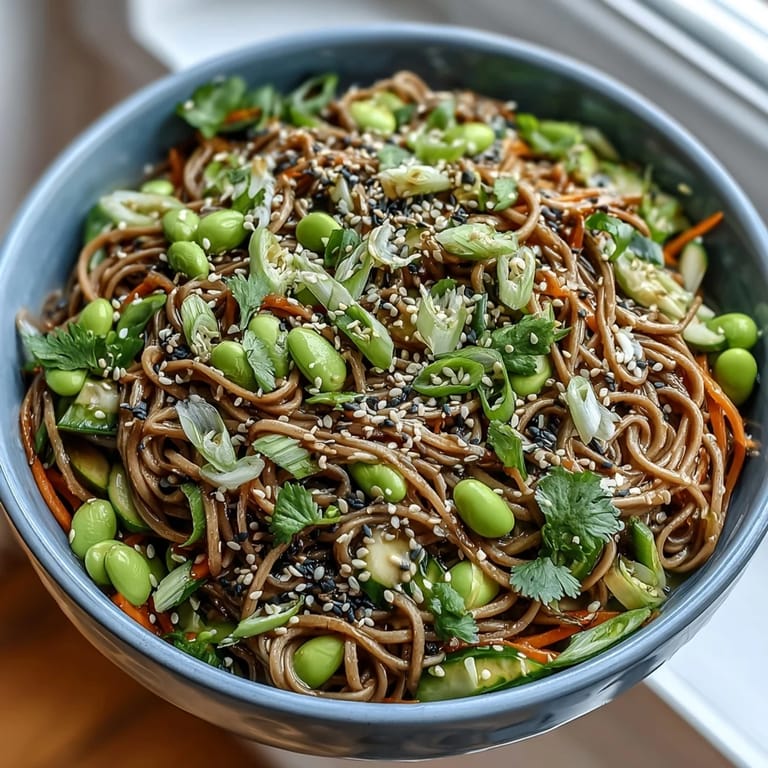
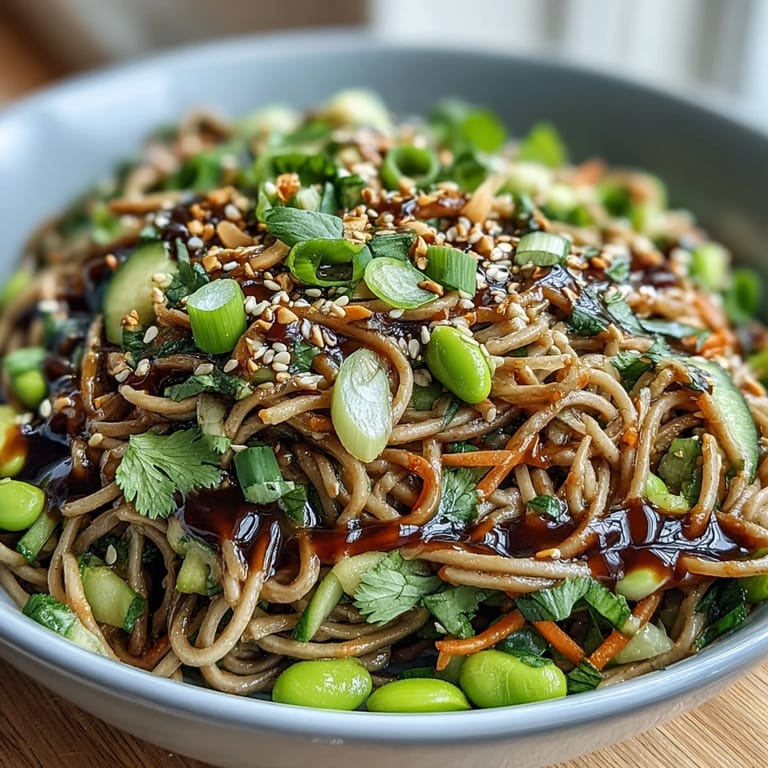
- Divide the dressed noodles among four bowls, then arrange the edamame, cucumber, carrots, and scallions on top in neat piles. Drizzle the remaining dressing over everything right before serving so it doesn't get absorbed into the noodles.
- Finish with sesame seeds and herbs:
- Scatter the toasted sesame seeds over the top and add fresh cilantro or mint if you're using it. Serve immediately while the noodles are still cool and the vegetables are crisp.
 Save to Pinterest
 There's something almost meditative about assembling these bowls—the way the colors arrange themselves, the smell of the sesame dressing hitting you as you drizzle it on. One evening my kids actually sat down without complaint and asked for seconds, which felt like winning the lottery.
Why This Bowl Works Every Season
In summer, serve it ice-cold with the noodles kept separate until the last minute. In cooler months, you can warm the noodles slightly and serve it at room temperature with all the vegetables still providing that essential crunch. The dressing tastes the same either way, which is the real magic of this dish.
Making It Your Own
The beauty of a noodle bowl is how willing it is to change based on what's in your fridge. I've added blanched snap peas, roasted mushrooms, shredded red cabbage, and even thin slices of apple when I was experimenting. For protein, grilled tofu, a soft-boiled egg, or shredded rotisserie chicken all work beautifully without demanding attention.
The Dressing is Everything
This sesame dressing has become my secret weapon for other salads and grain bowls, so make extra and keep it in a jar in your refrigerator. The tahini creates a creamy base that somehow makes it feel luxurious even though there's no cream involved. It keeps for about a week, though the garlic flavor will intensify as it sits.
- If the dressing separates, just whisk it again—the sesame oil and tahini naturally want to drift apart.
- For a spicier version, add a pinch of white pepper or a tiny drizzle of chili oil right at the end.
- Double the dressing recipe and you'll have enough left over for tomorrow's quick lunch or to dress a simple side salad.
 Save to Pinterest
 This bowl has become my go-to when I want something that feels restaurant-quality but comes from my own kitchen. Once you've made it once, you'll have the rhythm down, and it becomes something you can make without thinking too hard.
Recipe FAQs
- → What makes soba noodles special?
Soba noodles are made from buckwheat flour, giving them a nutty flavor and chewy texture. They're traditionally served cold or at room temperature, making them perfect for this refreshing bowl. Buckwheat also provides beneficial nutrients and creates a lighter noodle option compared to wheat-based varieties.
- → Can I make this bowl gluten-free?
Absolutely. Look for 100% buckwheat soba noodles and substitute tamari for soy sauce in the dressing. Many brands offer pure buckwheat options that are naturally gluten-free. Always check labels to ensure no wheat flour has been added to the noodle blend.
- → How do I prevent soba noodles from sticking together?
Rinse the cooked noodles thoroughly under cold water immediately after draining. This removes excess starch and stops the cooking process. Tossing them with a small amount of sesame oil or half the dressing before serving also helps keep them separate and flavorful.
- → Can I prepare this bowl in advance?
The components can be prepped ahead: store cooked noodles separately from vegetables and dressing. Keep everything refrigerated in airtight containers. The noodles will keep for 2-3 days, while cut vegetables are best used within 24 hours for optimal crunch. Dress just before serving.
- → What proteins work well with this bowl?
Grilled tofu, pan-seared tempeh, or a soft-boiled egg make excellent additions. Shredded chicken or cooked shrimp also pair beautifully. For plant-based options, marinated baked tofu or edamame provide substantial protein to make it a complete meal.