 Save to Pinterest
 A rainy Saturday left me rummaging through the fridge, determined not to order takeout again. I spotted a tub of cottage cheese I'd bought for breakfast and never finished, flour in the pantry, and an idea forming. Twenty minutes later, the kitchen smelled like a bakery, and I was pulling apart soft, golden rounds that tasted better than any store-bought flatbread I'd ever tried. I've made them at least a dozen times since, tweaking herbs and toppings, but that first attempt still makes me smile.
I made these for a potluck once, stacking them warm in a basket with hummus and tzatziki on the side. My friend Alex, who claims she can't cook, asked for the recipe three times before we even left. She texted me a photo the next week: her own batch, slightly uneven but golden and perfect, with a caption that just said, I DID IT. That's the magic of this dough, it makes you feel capable.
Ingredients
- All-purpose flour: The backbone of the dough, providing structure while staying tender. Keep extra nearby for dusting, your hands will thank you.
- Baking powder: This is what gives the flatbreads their signature puff and lightness as they hit the heat.
- Fine salt: Balances the tang of the cheese and wakes up the other flavors without being too forward.
- Garlic powder: Optional, but it adds a whisper of savory warmth that makes the kitchen smell incredible.
- Full-fat cottage cheese: The secret ingredient, make sure it's well drained or the dough will be too wet and sticky to handle.
- Egg: Binds everything together and adds richness, helping the dough stay cohesive and soft.
- Olive oil: A little in the dough, a little in the pan, it keeps things tender and prevents sticking.
- Fresh herbs: Parsley or chives bring brightness and a pop of color, though you can skip them if your pantry is bare.
- Water: Use it sparingly, just enough to bring a crumbly dough into a soft, workable ball.
Tired of Takeout? 🥡
Get 10 meals you can make faster than delivery arrives. Seriously.
One email. No spam. Unsubscribe anytime.
Instructions
- Combine the Dry Mix:
- Whisk the flour, baking powder, salt, and garlic powder in a medium bowl until everything is evenly distributed. This ensures no one bite is too salty or too bland.
- Blend the Wet Base:
- In another bowl, mash the cottage cheese with the egg, olive oil, and herbs using a fork until mostly smooth. A few curds are fine, they'll disappear into the dough.
- Bring the Dough Together:
- Pour the wet mixture into the dry and stir gently with a spatula. If it looks too crumbly, add water one teaspoon at a time until a soft, slightly sticky ball forms.
- Knead Gently:
- Turn the dough onto a floured surface and fold it over itself 6 to 8 times, just until it feels cohesive. Overworking will make the flatbreads tough, so resist the urge to keep going.
- Let It Rest:
- Cover the dough with a towel or plastic wrap and let it sit for 10 minutes. This short rest makes rolling easier and the texture softer.
- Divide and Shape:
- Cut the dough into 4 equal pieces and roll each into a smooth ball. Flatten each with a rolling pin or your palms into rounds about a quarter inch thick, dusting with flour as needed.
- Heat the Skillet:
- Warm a nonstick or cast-iron skillet over medium heat and brush it lightly with olive oil. The pan should be hot enough to sizzle but not smoke.
- Cook Until Golden:
- Place one flatbread in the skillet and cook for 2 to 3 minutes until bubbles appear and the bottom turns golden. Flip and cook another 1 to 2 minutes until cooked through.
- Keep Warm:
- Transfer the finished flatbread to a plate and cover with a clean towel to keep it soft. Repeat with the remaining dough, adding more oil to the pan as needed.
- Serve Fresh:
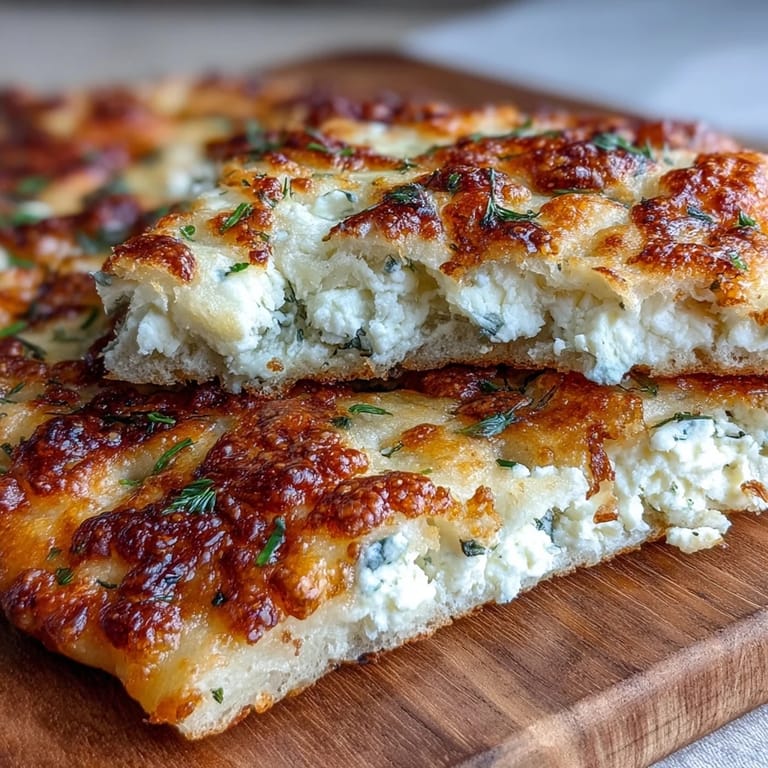
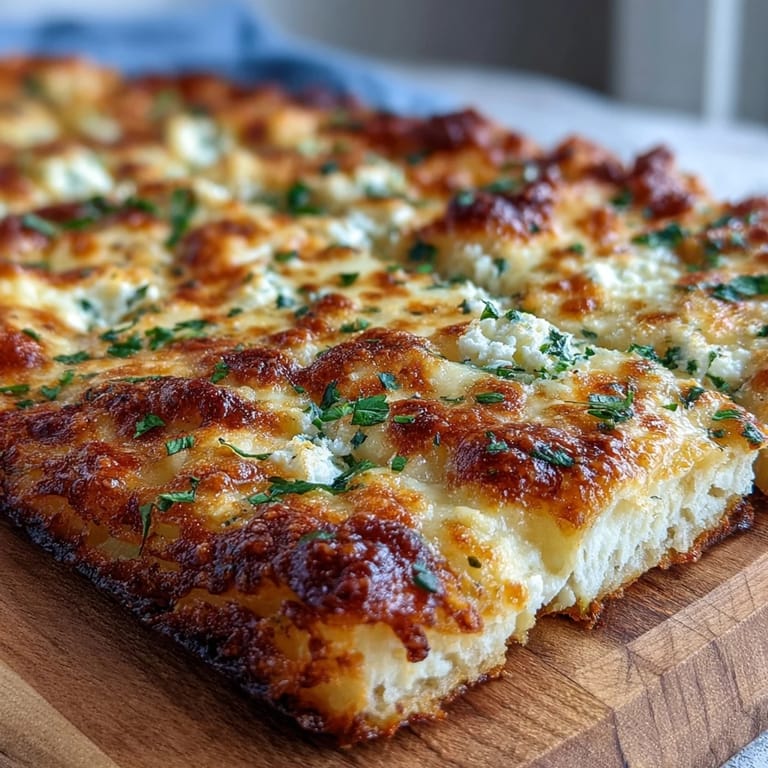
- Enjoy them warm with dips, as wraps, or topped with sauce and cheese for a quick homemade pizza.
 Save to Pinterest
 One evening, I made a double batch and my partner wandered in, tore off a piece straight from the skillet, and said it tasted like the flatbreads his grandmother used to make on a griddle in her tiny kitchen. He didn't say much else, just ate three more while I finished cooking. Sometimes a recipe doesn't need fancy garnishes or perfect plating, it just needs to feel like home.
How to Store and Reheat
Let the flatbreads cool completely before stacking them in an airtight container with parchment paper between each one to prevent sticking. They'll keep in the fridge for up to three days or in the freezer for a month. To reheat, warm them in a dry skillet over medium heat for about 30 seconds per side, or wrap in a damp paper towel and microwave for 15 to 20 seconds. The damp towel trick is key, it brings back that just-cooked softness without drying them out.
Fun Ways to Mix It Up
Once you've made the basic version a few times, the dough becomes a blank canvas. I've folded in finely chopped spinach for green-flecked rounds, stirred in sun-dried tomatoes for a tangy bite, and even added a pinch of smoked paprika for a subtle warmth. My favorite twist is pressing crumbled feta into the dough before rolling, it melts slightly during cooking and creates pockets of salty richness. If you're feeling adventurous, brush the hot flatbreads with garlic butter and sprinkle with flaky salt right after they come off the skillet.
Making It Your Own
This recipe is forgiving, which means it handles substitutions beautifully. For a gluten-free version, swap in a 1:1 gluten-free flour blend and add a tablespoon of ground flaxseed to help with texture. If you're out of cottage cheese, ricotta works in a pinch, though the tang will be a bit milder. You can also use the flatbreads as a pizza base by topping them with sauce, cheese, and your favorite toppings, then baking at 425 degrees Fahrenheit for 8 to 10 minutes until bubbly and golden.
- Try adding a handful of shredded cheese directly into the dough for extra richness.
- Brush the finished flatbreads with melted butter and sprinkle with za'atar or everything bagel seasoning.
- Use them as a base for breakfast wraps with scrambled eggs, avocado, and hot sauce.
 Save to Pinterest
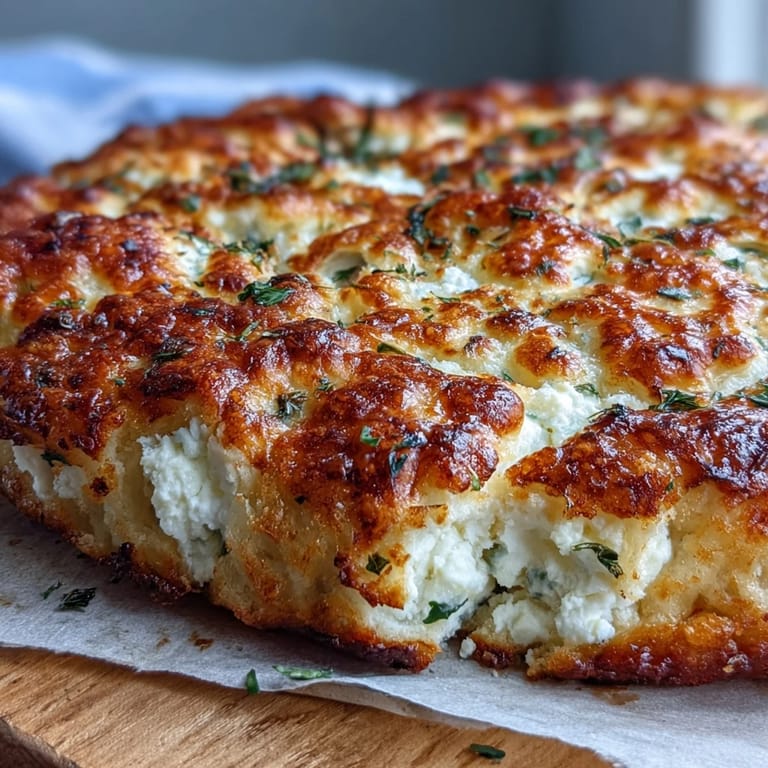
 These flatbreads have become my go-to for last-minute meals, lazy lunches, and those nights when I want something warm and homemade without the fuss. I hope they become a staple in your kitchen too.
Recipe FAQs
- → Can I make these flatbreads ahead of time?
Yes, prepare the dough and refrigerate for up to 24 hours before rolling and cooking. Let it come to room temperature first, about 15-20 minutes, for easier rolling.
- → What's the best way to reheat leftover flatbreads?
Warm in a dry skillet over medium heat for 30 seconds per side, or microwave with a damp paper towel for 15-20 seconds. This restores softness without drying them out.
- → Can I freeze the dough or cooked flatbreads?
Freeze cooked flatbreads in airtight bags for up to 1 month. Separate with parchment paper. Thaw at room temperature or reheat directly from frozen in a warm skillet.
- → Why does my dough feel too sticky or dry?
Dough consistency varies with humidity and cottage cheese moisture. Add water 1 teaspoon at a time if dry, or dust with flour if sticky. Aim for soft, slightly tacky dough that holds together.
- → Can I use Greek yogurt instead of cottage cheese?
Greek yogurt works as a substitute, though the texture becomes slightly denser. Use the same amount and reduce any added water since yogurt contains less moisture than drained cottage cheese.