 Save to Pinterest
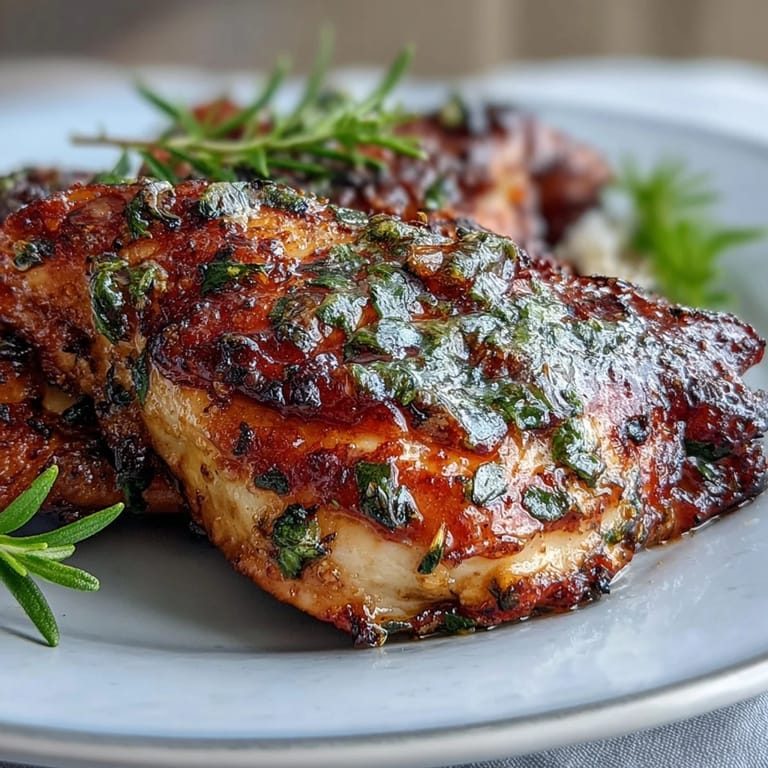
 There's something about the smell of lemon and rosemary hitting hot chicken skin that stops you mid-conversation. I learned this dish on a surprisingly warm April afternoon when a friend showed up at my door with a bag of fresh herbs from their garden and an offhand suggestion to just roast something simple. What came out of the oven two hours later felt like the opposite of simple—it was golden, fragrant, and somehow made everyone at the table slow down and actually taste their food.
I made this for my parents' anniversary dinner last spring, and my dad kept going back to the potatoes like he was solving a puzzle, trying to figure out why they tasted so good. That's when I realized this dish does something most roasted chicken recipes don't—it creates this beautiful ecosystem where everything is cooking together, trading flavors, making each component taste more like itself.
Ingredients
- 1 whole chicken (about 4 lbs / 1.8 kg), giblets removed: Buy it as fresh as you can find it, and let it sit at room temperature for about 30 minutes before cooking—this helps it cook evenly.
- 3 tbsp olive oil: Use something you'd actually eat on bread, not the bottom-shelf stuff.
- 2 lemons (1 zested and juiced, 1 sliced): Zest before you juice, and don't skip the whole slices in the cavity—they flavor the bird from the inside.
- 4 cloves garlic, minced: Fresh is non-negotiable here; the garlic becomes mellowed and almost sweet as it roasts.
- 2 tbsp fresh rosemary, finely chopped: If you only have dried, use half the amount and crush it between your fingers first.
- 2 tbsp fresh thyme, finely chopped: The tiny leaves stay on the stems, so mince the sprigs and don't bother picking them off.
- 1 tbsp fresh parsley, finely chopped: Save most of this for garnish—it brightens everything at the end.
- 1½ tsp sea salt: Coarse salt clings better to the chicken than fine, so use whatever you have but adjust slightly if needed.
- 1 tsp freshly ground black pepper: Grind it fresh, even if it feels tedious.
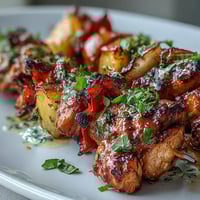
- 2 lbs (900 g) baby potatoes, halved: If they're really tiny, leave some whole so they cook at the same speed as the halved ones.
- 2 tbsp olive oil (for potatoes): Same quality as above.
- 1 tsp sea salt and ½ tsp black pepper (for potatoes): These go separately so you can season the potatoes independently.
- 2 tbsp fresh parsley, chopped (for garnish): Tear it by hand right before serving—it looks better and tastes fresher.
Tired of Takeout? 🥡
Get 10 meals you can make faster than delivery arrives. Seriously.
One email. No spam. Unsubscribe anytime.
Instructions
- Get your oven ready and dry the bird:
- Preheat to 425°F (220°C) and pat your chicken completely dry with paper towels—don't rush this step because wet skin won't crisp up properly. Place it skin-side up in your largest roasting pan.
- Make the herb paste:
- Combine the olive oil, lemon zest, lemon juice, garlic, rosemary, thyme, parsley, salt, and pepper in a small bowl and stir until it looks like a loose paste. This is your flavor foundation, so take a moment to smell it and feel good about what's coming.
- Get under the skin:
- This is the step that makes the difference—rub about half the marinade all over the chicken's exterior, then use your fingers to gently separate the skin from the breast and thighs, pushing the remaining marinade underneath where it'll stay close to the meat. Stuff the lemon slices into the cavity.
- Arrange your potatoes:
- Scatter the halved baby potatoes around the chicken, drizzle them with olive oil, sprinkle with salt and pepper, and toss gently so they're evenly coated and nestled against the bird where they'll catch all those falling juices.
- Roast until golden:
- Put everything in the oven and roast for 1 hour and 10–15 minutes, checking around the 50-minute mark to see how things are coloring. The chicken is done when the juices run clear and a thermometer in the thickest part of the thigh reads 165°F (74°C).
- Brown the potatoes if needed:
- If the potatoes are still pale when the chicken is done, carefully remove the bird to a cutting board to rest, then turn the oven to broil and let those potatoes get golden and crispy for 5–7 minutes, watching them so they don't burn.
- Rest and serve:
- Let the chicken rest for 10 minutes—this keeps the meat tender and gives you time to scatter fresh parsley over everything. Carve the chicken right there beside the potatoes so they catch any final juices.
 Save to Pinterest
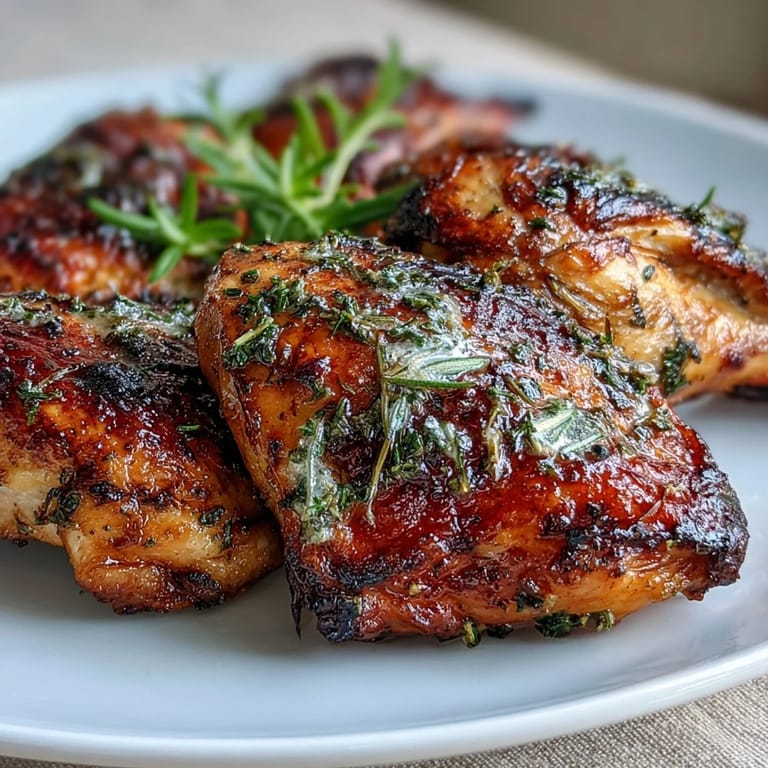
 What stays with me about this dish is how it transforms a kitchen—the smell builds slowly, then all at once fills every corner, and people wander toward the oven without being asked. It's that kind of food that reminds you why you cook in the first place.
The Magic of Marinating Ahead
If you have the time, marinate the whole chicken for up to 24 hours before roasting, and you'll taste the difference immediately. The acid from the lemon and the oil together start breaking down the proteins, making the meat impossibly tender, and the herbs have time to really penetrate rather than just sit on the surface. Just keep it covered in the coldest part of your fridge, bring it out 30 minutes before roasting, and let it reach room temperature so it cooks evenly.
Playing with Vegetables
Baby potatoes are perfect, but you're not locked into them—fingerlings work beautifully, and small Yukon Golds become almost buttery as they roast. Spring asparagus, halved carrots, or thick-cut green beans can all go in the pan for the last 30 minutes of roasting, so you're not committed to just potatoes if you want variety. The key is cutting everything to roughly similar sizes so nothing ends up raw while something else turns to mush.
Wine Pairing and Table Timing
A crisp Sauvignon Blanc or Chardonnay runs right alongside this dish, the acidity cutting through the richness while the buttery notes echo the roasted potatoes. If you're planning a dinner, remember that the chicken rests for 10 minutes anyway, which gives you just enough time to get everything else on the table—bread, salad, water—so you're serving it all while it's still warm.
- Chill your wine glass 10 minutes before serving so it actually stays cold.
- Don't skip the fresh parsley garnish, even though the dish is already complete without it.
- Leftover chicken makes extraordinary sandwiches the next day if there's any left.
 Save to Pinterest
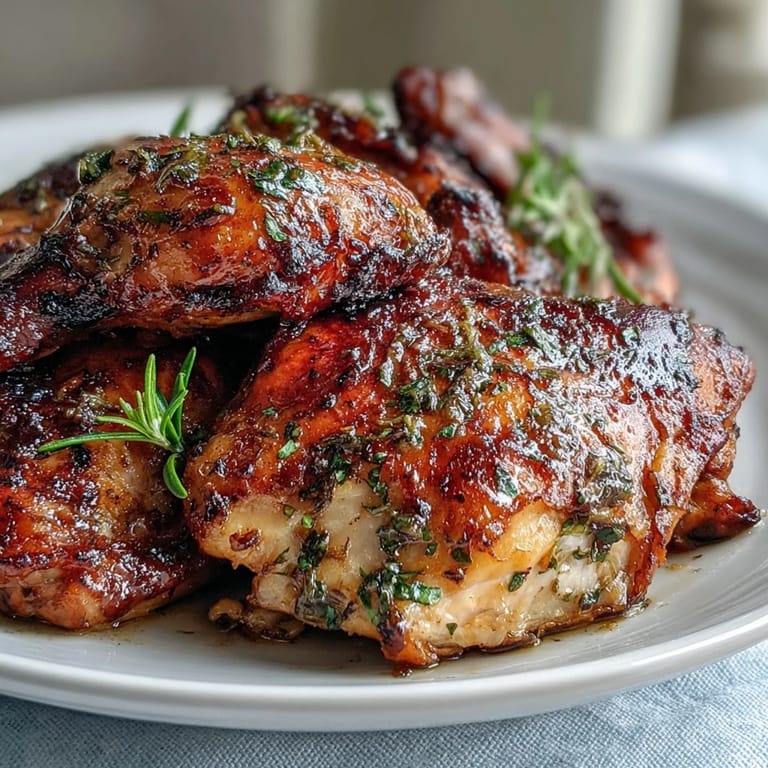
 This is the kind of chicken that makes people happy without trying too hard, and that simplicity is actually the whole point. You show up, you roast it, and suddenly you're the person who made something that mattered.
Recipe FAQs
- → How do I ensure the chicken stays juicy?
Marinating the chicken with lemon, herbs, and olive oil helps keep it moist. Also, allow it to rest for 10 minutes after roasting before carving.
- → Can I use different potatoes?
Yes, fingerling or small Yukon Gold potatoes work well as substitutes for baby potatoes.
- → What temperature should I roast the chicken at?
Preheat the oven to 425°F (220°C) and roast until the internal temperature reaches 165°F (74°C) for safe consumption.
- → How can I get crispy potatoes?
If the potatoes need more browning, remove the chicken and broil them for 5–7 minutes until golden.
- → What herbs complement the lemon in this dish?
Rosemary, thyme, and fresh parsley add aromatic notes that balance the bright lemon flavor.