 Save to Pinterest
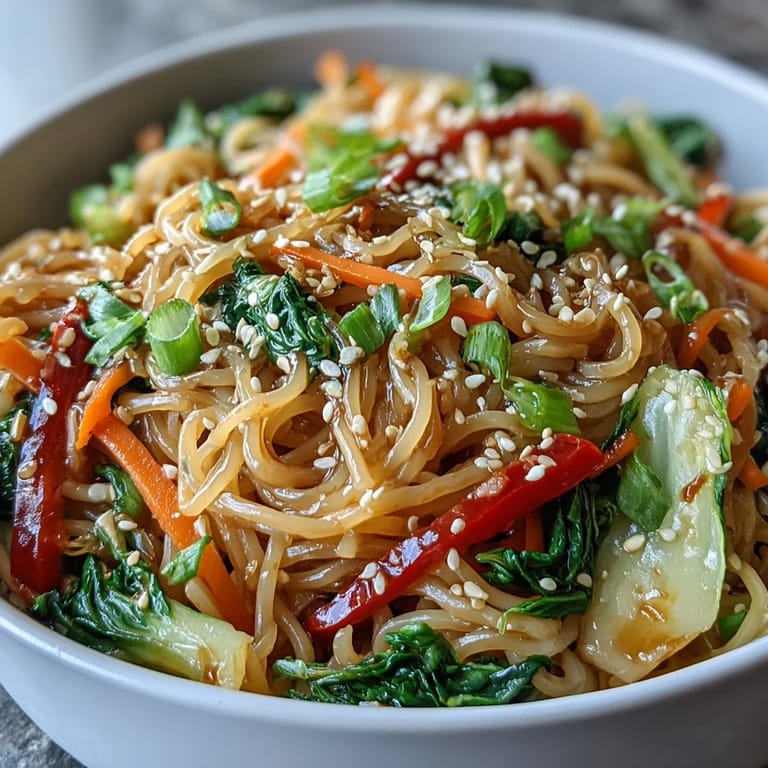
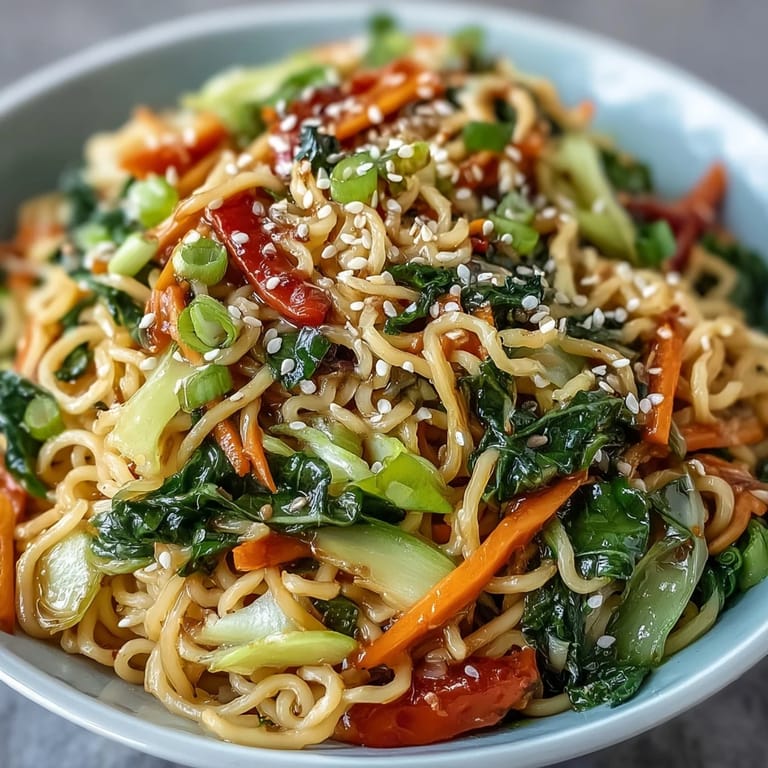
 One afternoon, I was standing in my kitchen staring at a package of shirataki noodles I'd impulse-bought weeks earlier, wondering if they'd actually taste like anything or just disappear into a bowl like little ghosts. That's when I decided to stop overthinking and build something around them—something with snap, color, and enough ginger to wake up my taste buds. Twenty-five minutes later, I had a bowl so bright and noodle-forward that I couldn't believe how light it felt to eat. It's become my go-to when I want something substantial but not heavy, and honestly, it never gets boring because the vegetables change with whatever's in my crisper.
I made this for my friend Maya one evening when she mentioned she was tired of restrictive eating but didn't want to feel bloated afterwards. Watching her face light up when she realized she could eat a full, satisfying bowl of noodles without the guilt was the moment this stopped being just my personal discovery and became something I wanted to share with everyone.
Ingredients
- Shirataki noodles, 400 g: Rinse these thoroughly under cold water before use—it removes that slightly fishy smell and prevents them from clumping together like a sad mass.
- Bok choy, 1 cup sliced: The leafy texture wilts just enough in the pan to soften without turning to mush, so it stays tender with a gentle crunch.
- Red bell pepper, 1/2 pepper thinly sliced: The thin slices cook evenly and add both sweetness and visual brightness that makes the bowl feel celebratory.
- Snow peas, 1/2 cup trimmed: These keep their snap even after cooking, giving you that satisfying texture you're chasing.
- Carrot, 1 medium julienned: Cut into thin matchsticks so they cook through in minutes and add subtle sweetness alongside the ginger.
- Green onions, 2 thinly sliced: Reserve half for garnish—the raw ones at the end taste brighter and add an allium bite that ties everything together.
- Tamari or gluten-free soy sauce, 2 tbsp: Tamari is naturally gluten-free and tastes less harsh than regular soy sauce, which matters when everything else is so delicate.
- Rice vinegar, 1 tbsp: This cuts through the richness of sesame oil and keeps the sauce from feeling heavy.
- Toasted sesame oil, 1 tbsp: Use the toasted kind, never the refined version—the difference in flavor is honestly the difference between a good bowl and an unforgettable one.
- Fresh ginger, 1 tbsp finely grated: Microplane it directly over the bowl if you have one; it releases oils and stays fluffy rather than wet and stringy.
- Garlic clove, 1 minced: Just one clove keeps the sauce balanced instead of overpowering the delicate vegetables.
- Maple syrup, 1 tsp optional: A tiny amount rounds out the sauce, especially if your ginger is particularly spicy.
- Chili flakes, 1/2 tsp optional: Add these if you want the bowl to have a gentle warmth that lingers.
- Toasted sesame seeds, 1 tbsp: Toast them yourself if you can, or buy them pre-toasted—either way, they're the finishing touch that adds nuttiness and crunch.
- Fresh cilantro or basil, optional: Cilantro adds a cooling brightness; basil pushes the dish slightly toward Thai flavors.
Tired of Takeout? 🥡
Get 10 meals you can make faster than delivery arrives. Seriously.
One email. No spam. Unsubscribe anytime.
Instructions
- Bring those shirataki noodles to life:
- Drain your noodles and rinse them under cold running water for a solid minute, really breaking them apart with your fingers so they don't stick together. Drop them into a pot of boiling water for exactly 2 minutes, then drain and pat them dry with paper towels—this removes excess moisture and prevents them from turning into a watery mess.
- Build your sauce while your pan heats up:
- In a small bowl, whisk together tamari, rice vinegar, sesame oil, ginger, garlic, maple syrup, and chili flakes until everything is combined and aromatic. Taste it before you add it to the pan, and adjust the ginger or vinegar if it feels off-balance to you.
- Get your harder vegetables moving first:
- Heat a large non-stick skillet or wok over medium-high heat until it's genuinely hot and shimmers slightly. Add carrot, bell pepper, and snow peas, then stir-fry for 2–3 minutes, listening for that gentle sizzle that means things are cooking through rather than steaming.
- Bring in the bok choy at the last moment:
- Add bok choy and green onions to the pan, stirring constantly for 1–2 minutes so the leaves just begin to wilt but the stems stay with a bite. The whole pan should smell intensely vegetal and slightly sweet.
- Combine everything and finish strong:
- Add your drained shirataki noodles and pour the ginger sauce directly over the top, then toss everything together with a light hand for 2–3 minutes until the noodles are heated through and every piece of vegetable is coated. You'll know it's ready when the pan smells like ginger and sesame and nothing looks separated.
- Plate and crown with texture:
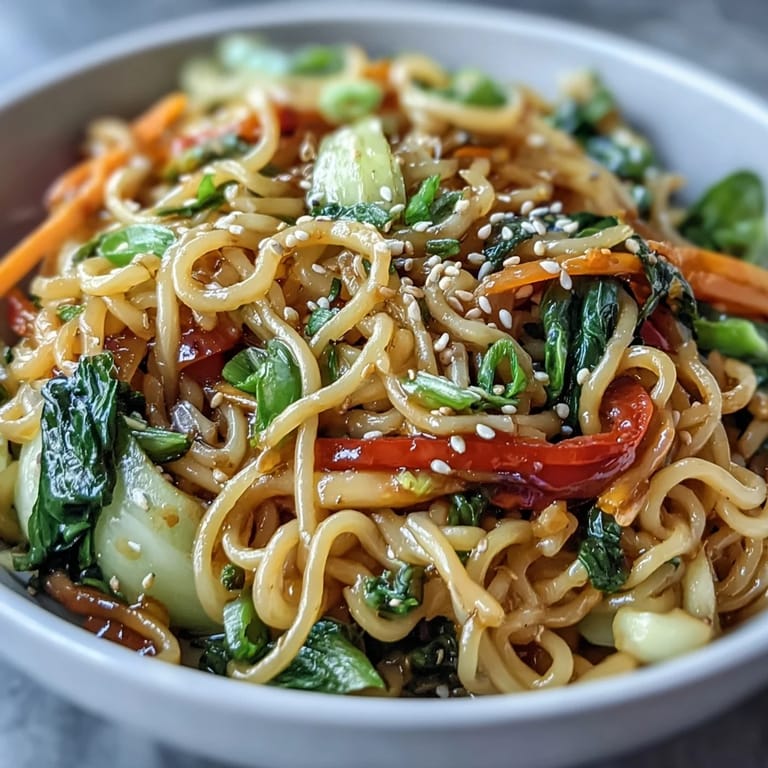
- Divide between bowls and immediately scatter sesame seeds and fresh herbs over the top so they stay on the surface and don't get lost in the sauce. Serve right away while everything is still warm and the vegetables have that just-cooked crispness.
 Save to Pinterest
 There's something quietly powerful about making a meal that feels indulgent—full and satisfying—while knowing it's doing your body good. That's the gift of this bowl, and why it's become something I reach for not just when I'm being 'good' about eating, but when I genuinely want to feel nourished.
The Truth About Shirataki Noodles
When shirataki noodles first became trendy, I was skeptical—they seemed like a penance food, something you ate while dreaming about regular pasta. But the secret is that they're not trying to be pasta at all; they're a vehicle for sauce and texture, and when treated as such, they become genuinely craveable. The moment I stopped comparing them to carbs and started thinking of them as a neutral canvas for bold flavors was the moment everything clicked.
Why This Sauce Changes Everything
The ginger-sesame sauce is what transforms this from a sad diet meal into something you'd order at a restaurant with confidence. The combination of rice vinegar, toasted sesame oil, and fresh ginger creates a flavor profile that feels both light and deeply satisfying, with enough complexity to keep your taste buds interested through every bite. It's the kind of sauce that works on practically any vegetable or protein you want to add, so once you master it, you've basically unlocked the entire category of quick Asian-inspired dinners.
Flexibility and Customization
One of the reasons this bowl has stayed in rotation for me is how much it welcomes changes depending on the season and what I have on hand. Winter brings different vegetables than summer, and that's actually a gift because it keeps the dish from ever feeling monotonous. The basic formula—shirataki noodles plus whatever vegetables are fresh plus the ginger sauce—is forgiving enough to handle whatever improvisation you throw at it.
- Try adding broccoli, mushrooms, or snap peas depending on what looks good at the market.
- Top with grilled tofu, tempeh, or shrimp if you want extra protein without changing the vibe.
- A squeeze of lime or a dash of rice vinegar at the table adds brightness if the bowl needs one final note.
 Save to Pinterest
 This bowl proved to me that healthy eating doesn't mean eating sad food; it means being intentional about flavor and texture in a way that actually makes you look forward to the meal. I hope it does the same for you.
Recipe FAQs
- → What do shirataki noodles taste like?
These translucent noodles have a very mild flavor on their own and readily absorb the seasonings and sauces they're cooked with, making them perfect for stir-fries and noodle bowls.
- → Do I need to cook shirataki noodles?
Yes, they should be drained, rinsed thoroughly under cold water, then boiled for 2 minutes to remove any natural aroma. Patting them dry helps them absorb the sauce better.
- → Can I make this spicy?
Absolutely—add extra chili flakes, fresh sliced chilies, or a drizzle of sriracha to the ginger sauce for more heat.
- → What vegetables work best in this bowl?
Broccoli, mushrooms, snap peas, cabbage, and spinach all work beautifully. Use whatever fresh vegetables you have on hand for a colorful mix.
- → How should I store leftovers?
Keep components separate in airtight containers for up to 3 days. Reheat the vegetables and noodles gently, then add fresh garnish before serving.