 Save to Pinterest
 There's something about the smell of lemongrass hitting hot oil that makes you stop whatever you're doing and just breathe it in. I discovered this soup on a gray afternoon when my kitchen felt too quiet, and I wanted to fill it with something alive and green. The first spoonful was a revelation—creamy, bright, and somehow both grounding and lifting at the same time, like the soup knew exactly what my mood needed.
I made this for my friend Maya on a day when she'd been battling a cold, and watching her face shift from exhausted to genuinely present after that first spoonful reminded me why I cook at all. She asked for seconds before finishing her first bowl, and then wanted the recipe before she'd even left the kitchen. That's when I knew this soup had graduated from just another dinner to something that actually matters.
Ingredients
- Fresh spinach (200 g): Use baby spinach if you prefer a milder flavor, but regular spinach gives the soup more body and a slightly deeper green. Don't stress about it being perfectly dry—a little moisture just means more flavor in your final bowl.
- Fresh coriander (1 large bunch): This is the soul of the soup, so use the whole bunch including the tender stems. If you can only find cilantro, that works beautifully too; they're the same plant, just different names depending on where you are.
- Lemongrass (1 stalk): The outermost layers are tough and papery, so peel them away until you hit the tender white and light green parts. Slice it finely so the flavor disperses evenly without leaving chewy bits in your spoon.
- Onion (1 medium): Yellow or white onions both work, and chopping it into pieces that are roughly the same size means everything will soften at the same pace.
- Garlic (2 cloves): Fresh garlic makes a difference here; minced fine so it melts into the base rather than leaving sharp little pieces.
- Fresh ginger (2 cm piece): Peel it with a spoon if you don't have a peeler—it's actually faster and you waste less. Grating it releases the essential oils that give the soup its warming edge.
- Coconut milk (400 ml): Full-fat is non-negotiable here; it creates the creamy texture that makes this soup feel indulgent without being heavy.
- Vegetable stock (750 ml): Use homemade if you have it, but good quality store-bought works just as well. Avoid anything too salty since you're controlling seasoning at the end.
- Soy sauce or tamari (1 tbsp): Tamari is the gluten-free option and honestly tastes slightly more refined, but either one adds the umami depth that ties everything together.
- White pepper (1/2 tsp): It's milder and more nuanced than black pepper in a delicate soup like this, creating warmth rather than heat.
- Salt: Taste as you go; you might need less than you think once the soy sauce is in.
Tired of Takeout? 🥡
Get 10 meals you can make faster than delivery arrives. Seriously.
One email. No spam. Unsubscribe anytime.
Instructions
- Start the aromatics:
- Heat your saucepan over medium heat and add a splash of oil—just enough to coat the bottom. Toss in the chopped onion and let it cook until the edges turn soft and translucent, which takes about 3 minutes; you'll know it's ready when the raw smell gives way to something sweet.
- Build the layers:
- Add the minced garlic, grated ginger, and sliced lemongrass to the onion and stir constantly for 2 minutes. This is when your kitchen will smell incredible—that's not just flavor developing, that's magic happening in your pot.
- Wilt the greens:
- Drop in the spinach and coriander (saving a few coriander leaves for garnish) and cook until everything has darkened and collapsed, about 2 minutes. It'll look like way too much green at first, but it'll shrink down dramatically as the heat softens the leaves.
- Create the base:
- Pour in the coconut milk and vegetable stock, stirring to combine everything evenly. Bring it to a gentle boil, then lower the heat and let it simmer quietly for 10 minutes, which gives all the flavors time to get to know each other.
- Blend to smoothness:
- Remove from heat and use an immersion blender to puree everything until it's completely smooth and creamy. If you don't have an immersion blender, carefully transfer to a regular blender in batches and blend until silky; just be careful with the hot liquid and leave the lid slightly loose so steam can escape.
- Season to perfection:
- Return the soup to the pot and stir in the soy sauce, white pepper, and salt to taste. Simmer gently for 2 more minutes so the seasonings have time to integrate rather than just sitting on top.
- Serve with intention:
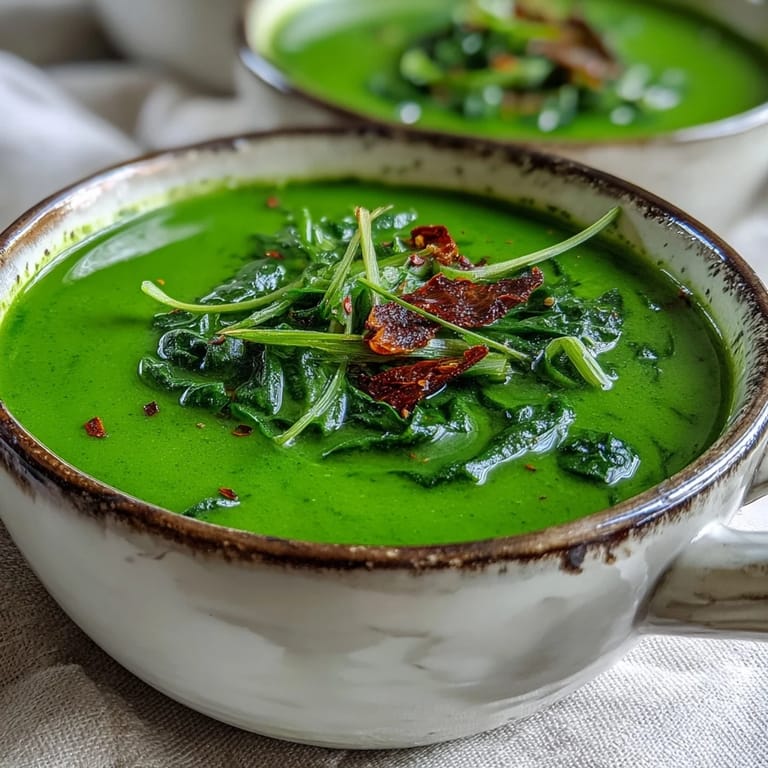
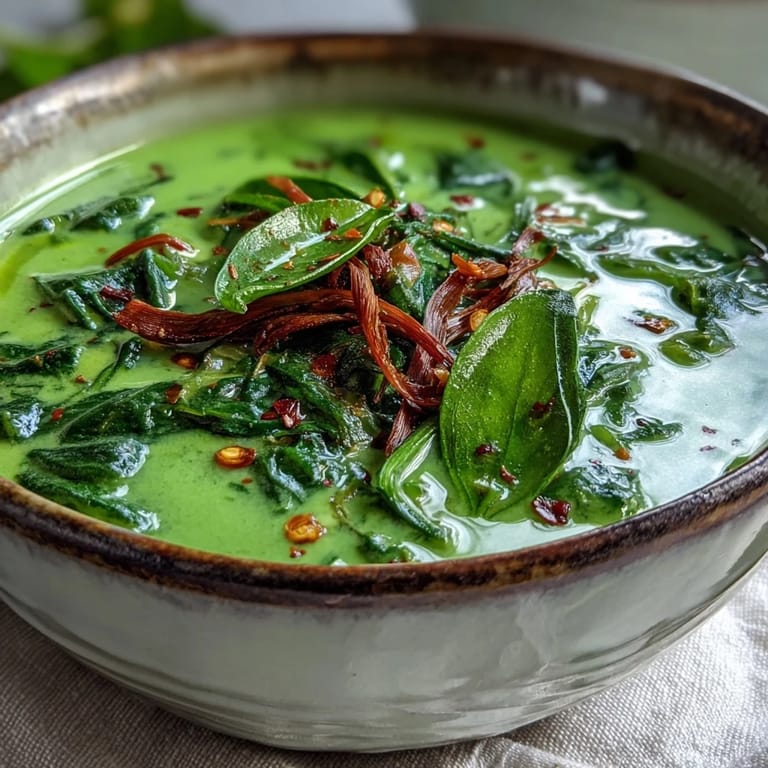
- Ladle into bowls and top with fresh coriander leaves and thinly sliced red chili if you want heat. Serve while it's hot and the aroma is still doing all the work.
 Save to Pinterest
 There's a moment after you've blended everything when the soup transforms from a collection of ingredients into something unified and whole—that's the moment it became a favorite of mine. Watching people slow down and really taste it, noticing how the brightness of the coriander plays against the depth of the lemongrass, reminds me that food is as much about attention as it is about technique.
The Secret of Lemongrass
Lemongrass has this reputation for being difficult or intimidating, but honestly it's just misunderstood. The trick is treating only the tender inner part as edible; the rest is there to protect and perfume. Once you understand that, lemongrass becomes one of the easiest shortcuts to making food taste like you've been cooking all day when you've really only been cooking for twenty minutes.
Variations That Taste Like Discovery
This soup is flexible enough to bend to what you have or what you're craving. I've made it with half coconut milk and half coconut cream for nights when I wanted it richer, and I've added a squeeze of lime juice right before serving for brightness that makes you sit up and pay attention. The heat level is entirely up to you—some days I add a chopped green chili with the garlic for a subtle warmth, and other times I leave it gentle so the coriander and lemongrass can do their quiet work.
Serving Suggestions and Pairing Ideas
This soup loves company in the form of crusty bread for soaking up every last drop, or steamed jasmine rice if you want something more substantial. I've served it alongside simple grilled vegetables and it felt like a complete meal, and I've also ladled it over rice noodles for something closer to a noodle soup when I wanted more texture. The beauty is that the soup is confident enough to stand alone but generous enough to share space with other foods.
- Pair with jasmine rice or rice noodles for a more filling meal.
- Add crusty bread on the side if you want something to soak up the creamy broth.
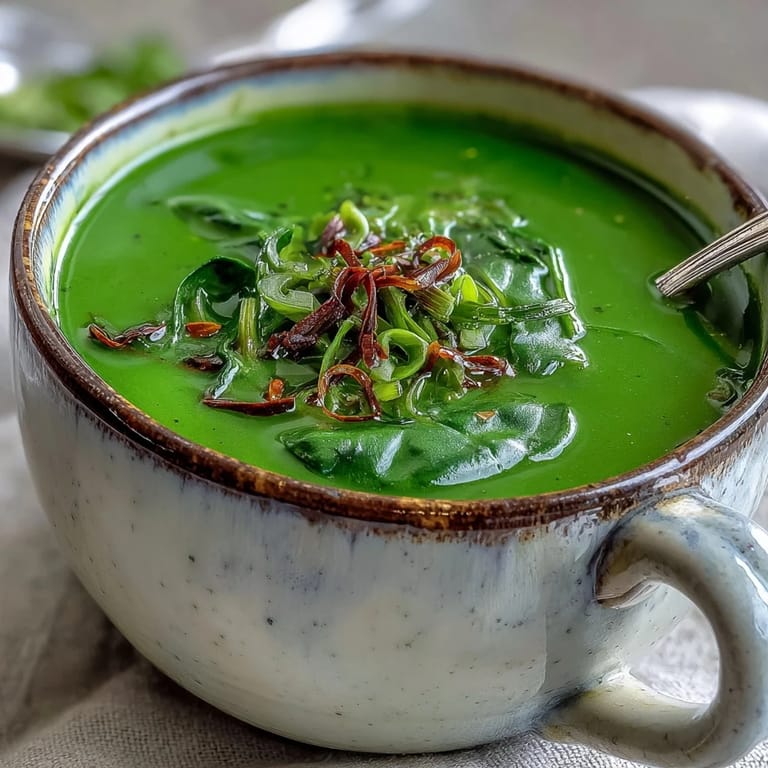
- Top with fried shallots or toasted coconut flakes for extra texture and richness.
 Save to Pinterest
 This soup has become my go-to when I want to feel nourished without feeling heavy, or when I want to impress someone without actually fussing. It's the kind of dish that makes you grateful for fresh herbs and simple technique.
Recipe FAQs
- → Can I use frozen spinach instead of fresh?
Yes, you can use 150g of frozen spinach. Thaw and squeeze out excess water before adding to the pot. Fresh spinach provides better color and flavor, but frozen works well in a pinch.
- → How do I prepare lemongrass properly?
Remove the tough outer layers of the lemongrass stalk until you reach the tender white core. Slice it very thinly or pound it to release the aromatic oils. If blending the soup, larger pieces are fine as they'll be pureed.
- → Can I make this soup ahead of time?
Absolutely. This soup keeps well in the refrigerator for up to 3 days. Store in an airtight container and reheat gently on the stovetop. The flavors often deepen after a day. You can also freeze it for up to 2 months.
- → What can I substitute for coconut milk?
For a lighter version, use cashew cream or blended silken tofu. However, coconut milk provides the authentic creamy texture and subtle sweetness that complements the aromatics perfectly.
- → How can I make this soup more filling?
Add protein like cubed tofu, chickpeas, or edamame during the simmering stage. You can also serve it over jasmine rice or rice noodles, or pair it with crusty bread for a more substantial meal.
- → Is it necessary to blend the soup?
Blending creates a smooth, restaurant-quality texture, but you can leave it chunky if preferred. For a middle ground, blend half the soup and mix it back with the unblended portion for texture variation.